

The record of your home
Every visit, every photo, every decision — in one place.
 Front exterior
| Home type | Single-family home |
| Foundation | Finished basement |
| Water heater | Rheem Classic Series — gas tank, natural draft · manufactured August 2024 · ~50 gal |
| Heat | Trane XV90 — natural gas, forced air · 20+ years |
| Air conditioning | Lennox 13ACXN-030 — R-410A · 6–10 years |
| Electrical panel | Square D — garage · 30+ years |
Home profile details are based on visible labels, homeowner-provided information, prior records, or reasonable estimates. They should be confirmed by a qualified professional before being used for repair, replacement, insurance, or real estate decisions.
Home systems at a glance.
Water movement, drainage protection, and moisture management around the home.
Full flush completed. Unit is a gas tank water heater (Rheem Classic Series, manufactured August 2024). Discharge ran clear with only light, fine sediment, and the drain valve sealed cleanly. The base was dry with no evidence of past leaking.
Operational test completed. The pump activated promptly with strong, consistent flow; the motor sounded normal and the check valve held with no backflow. The hose clamp at the Fernco fitting inside the pit showed a slight leak and should be replaced. Pump is an estimated 20 years old with no battery backup.
Condensate line cleared and flow verified with distilled vinegar treatment. The drain transitions from 3/4-inch PVC to 1/4-inch tubing and weeps slightly at that transition — a seal was attempted on-site, and replacing the undersized tubing section is recommended.
Drainage reviewed on all four sides of the home. Grading is positive throughout — sloping away from the foundation. Minor erosion channels were noted at the front and minor walkway gaps on the left side; no visible issues at the rear retaining wall.
Gutters cleared. Light debris was present with no gutter guards installed; all runs and downspouts are discharging properly.
Baseline moisture readings recorded in the finished basement, plus under-sink checks throughout the home. Two masonry walls read above 25%; the others were normal. No stains, no efflorescence, no musty odor. All supply lines and traps were dry to the touch; one bathroom P-trap shows visible corrosion.
Electrical panel condition, protective devices, and life-safety detectors.
Panel inspected with the dead-front cover removed, plus an infrared thermal scan under load. Square D panel located in the garage, an estimated 30+ years old, fully labeled, with tidy wiring. No scorching, no double-taps, and no hot spots detected on the thermal scan.
Six GFCI outlets tested; all tripped and reset correctly. The tester flagged a wiring fault (open ground or reversed polarity) at a kitchen outlet, which should be evaluated by a licensed electrician. Basement and laundry outlets are standard, non-GFCI outlets.
Detectors inspected and tested. Three smoke detectors — one per level — all sounded on test; the second-floor unit is past its expiration date and is not interconnected with the other two, so it should be replaced. The home has one CO detector (basement) and none on the first or second floors, even though gas appliances are present. A fresh 9V battery was installed during the visit.
Heating, cooling, and the systems that move air through the home.
Gas furnace performance verified with combustion analysis. Readings were well within expected ranges, with a measured combustion efficiency of 96.2% and a supply-to-return temperature split within range. Flue and vent connections are secure.
Seasonal diagnostic completed on the Lennox central AC (R-410A, 6–10 years old). Superheat measured 31.5 °F against a ~19 °F target, subcooling 0.3 °F against a ~14 °F target, and the indoor temperature split was 10.4 °F — below the expected range. The readings point to a refrigerant charge or airflow issue; a licensed HVAC evaluation is recommended.
Exterior condenser coils cleaned. Debris load was heavy — cottonwood and dense vegetation — with significant buildup on the outer coil and between fins. A non-acid coil cleaner was applied, bent fins were straightened, and the coils are now clean with fins intact.
Dryer vent inspected and cleaned. Electric dryer in the basement with a flexible foil duct terminating at a basement window. Moderate lint at the termination was cleared, the full duct length was brushed and vacuumed from the interior, and the exterior flap now opens freely.
Sealants, flashing, and the points where utilities and fixtures pass through the shell of the home.
Exterior penetrations and sealant reviewed on all four sides. The front and right side were all clear; minor sealant repairs were completed on-site at the back and left side, including resealing a cable entry.
Visits.
This visit covered the seasonal and safety systems: an A/C performance diagnostic, baseline basement moisture readings, an electrical panel inspection with infrared thermal scan, smoke and CO detector testing, condensate line clearing, and dryer vent cleaning.
The panel scan showed no hot spots, the dryer vent is clear, and every detector responded to testing. Two items deserve attention: carbon monoxide detector coverage is missing on two levels of the home, and the A/C readings point to a refrigerant charge or airflow issue that a licensed HVAC technician should evaluate.
The full record for each service is below. A complete list of recommended actions is at the end of this page.
Findings reflect observed conditions at the time of service.
| Item | Finding |
|---|---|
| Make and model | Lennox 13ACXN-030 |
| Estimated age | 6–10 years |
| Refrigerant | R-410A |
| Metering device | Fixed orifice / piston |
| Suction (low-side) pressure | 107.3 psig |
| Liquid (high-side) pressure | 307.9 psig |
| Superheat | 31.5 °F (target ~19 °F) |
| Subcooling | 0.3 °F (target ~14 °F) |
| Return air | 66.4 °F at 57.8% RH |
| Supply air | 56.0 °F at 74.4% RH |
| Temperature split (delta-T) | 10.4 °F (expected 16–22 °F) |
| Overall result | Plan |

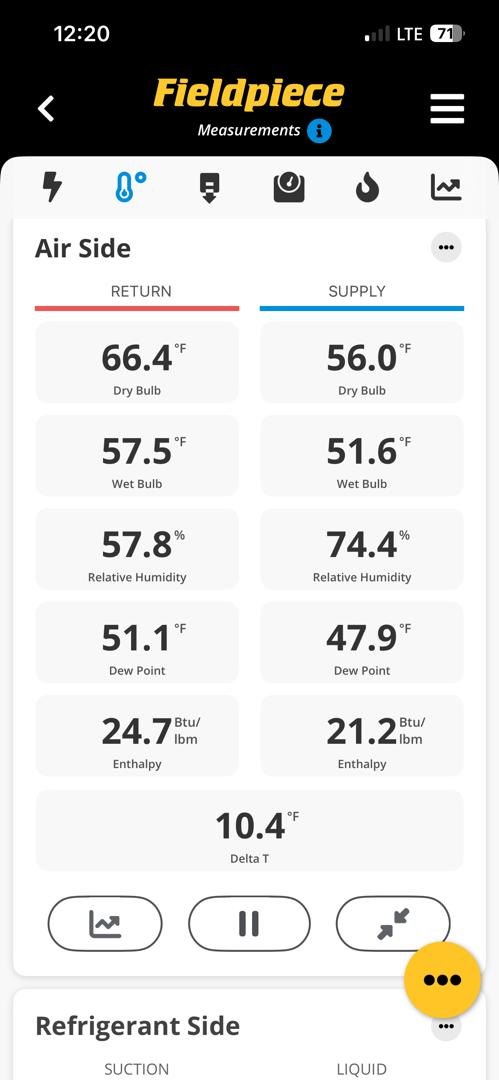
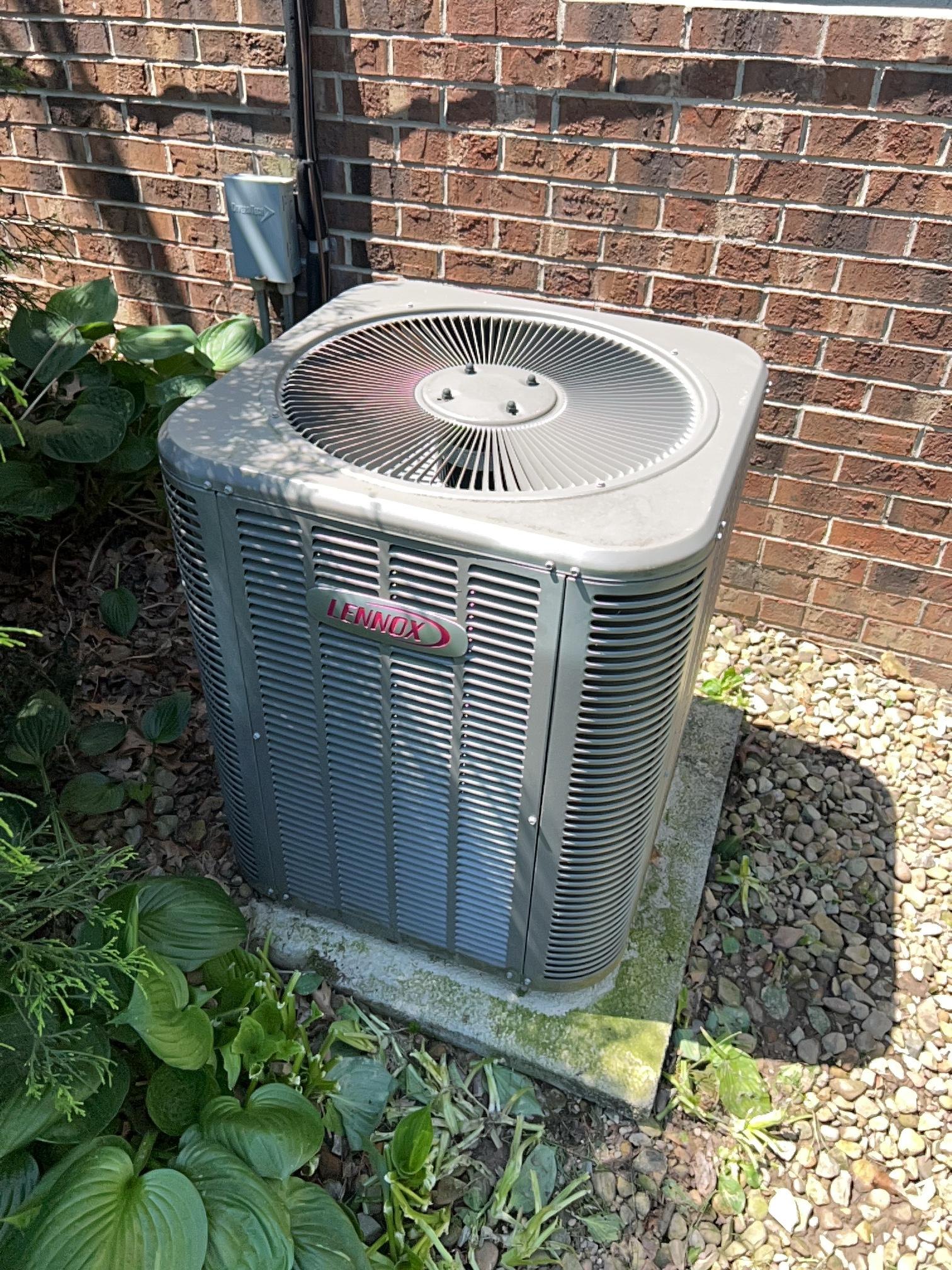
Superheat and subcooling are both well off target, and the temperature split is below range — a pattern consistent with low refrigerant charge or an airflow restriction. A licensed HVAC technician should evaluate the refrigerant charge and airflow; Homelio will re-check performance at the next seasonal visit.
- Schedule a licensed HVAC evaluation of refrigerant charge and airflow
- Re-check cooling performance at the next seasonal visit
Findings reflect observed conditions at the time of service.
| Item | Finding |
|---|---|
| Basement type | Finished basement |
| Moisture readings — north wall | Under 17% (normal) |
| Moisture readings — east wall | 17–25% (slightly elevated) |
| Moisture readings — south and west walls | Above 25% (elevated) |
| Visible water stains | None observed |
| Efflorescence | None observed |
| Musty odor | None |
| Dehumidifier | Not present |
| Under-sink checks (kitchen, baths, powder room) | All dry to the touch |
| Bathroom P-trap (metal) | Visible corrosion — replace when next serviced |
| Overall result | Monitor |
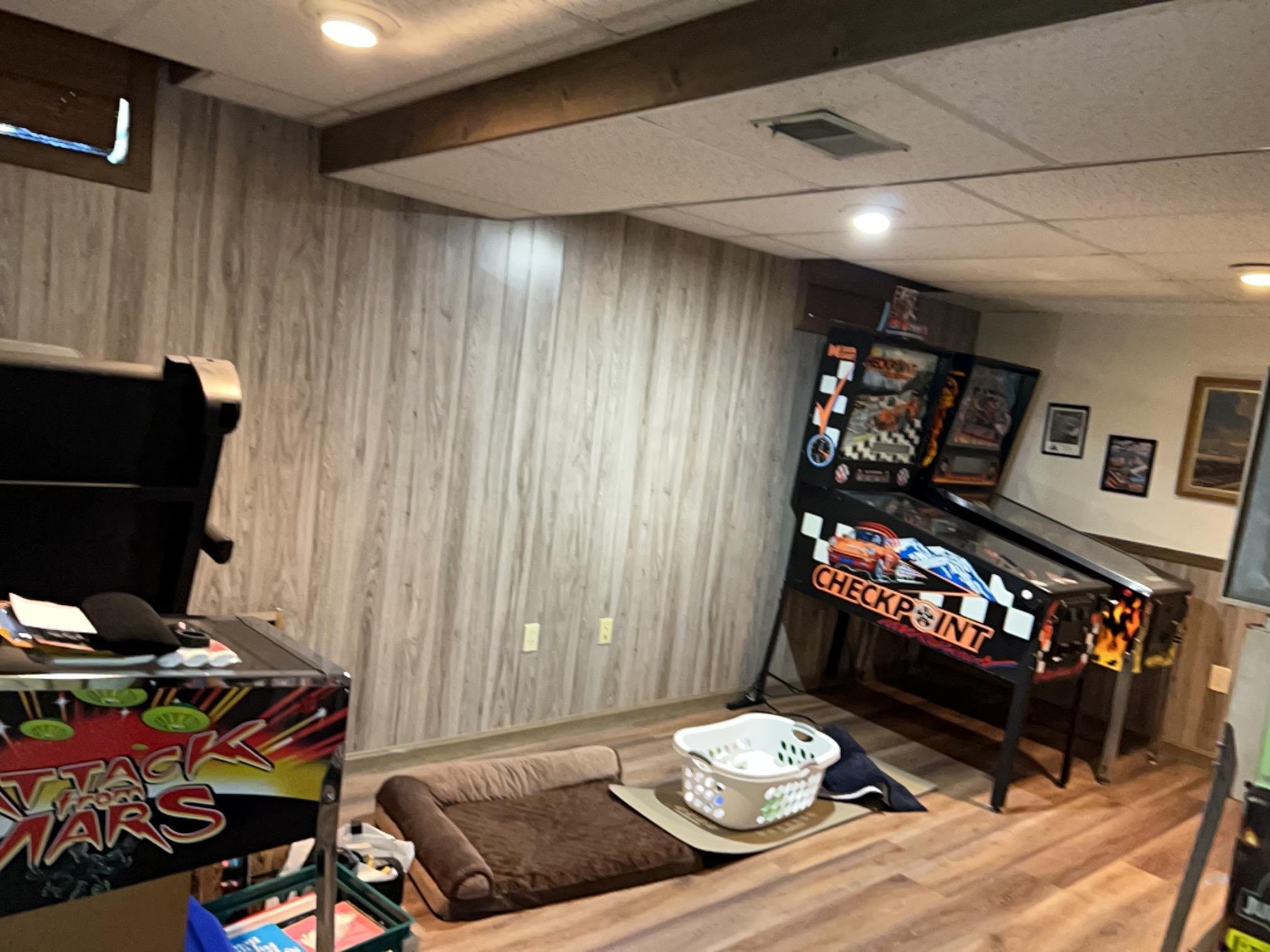

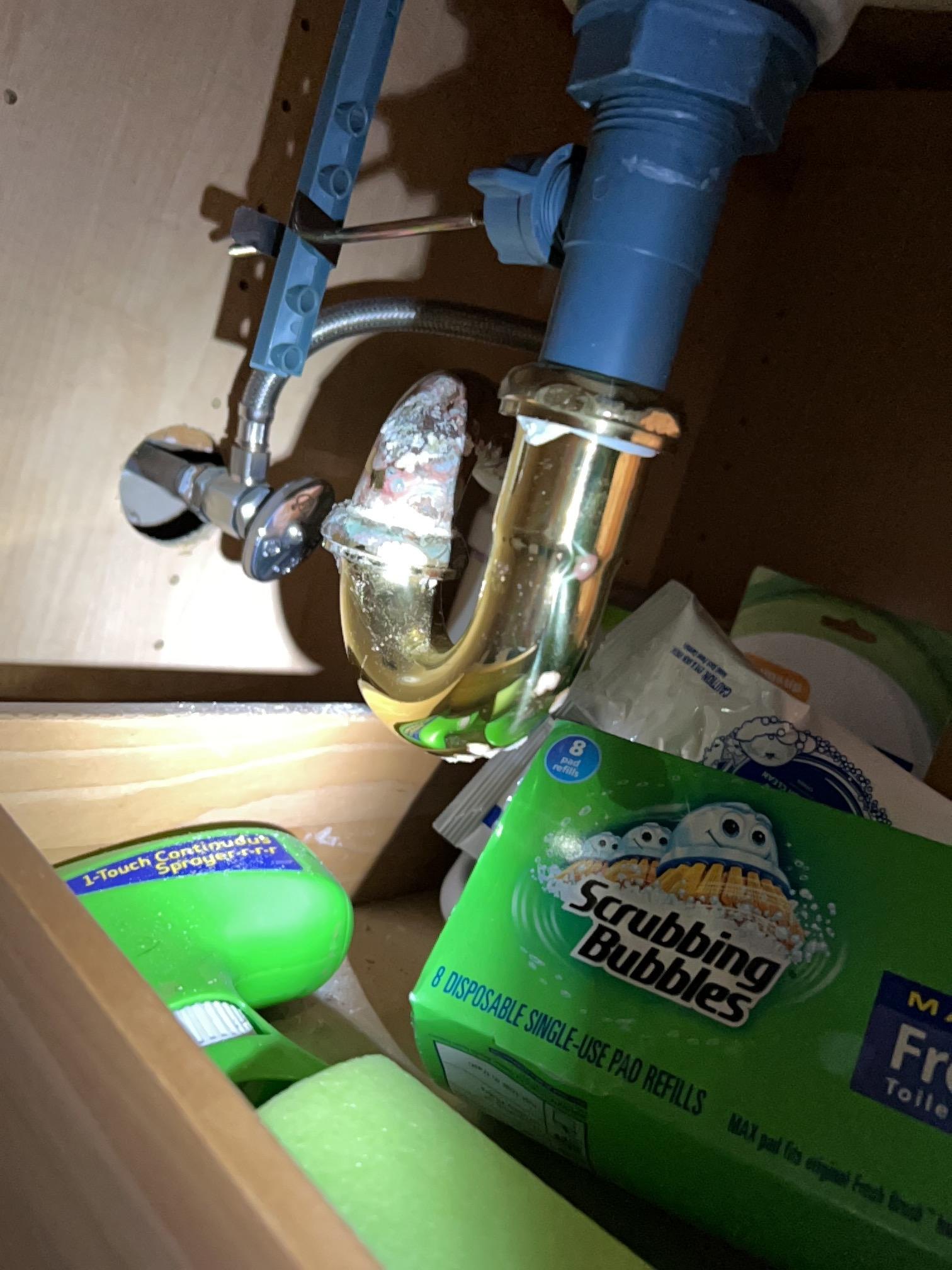
These readings are the home’s baseline. Two masonry walls read elevated — common in below-grade masonry and not, by itself, a problem — and there were no visible signs of moisture anywhere in the home. A dehumidifier would help through the humid months. Homelio will track these same walls at every visit to spot meaningful change.
- Continue tracking basement moisture readings at future visits
- Consider running a dehumidifier through humid months
- Replace the corroded bathroom P-trap when next serviced
Findings reflect observed conditions at the time of service.
| Item | Finding |
|---|---|
| Manufacturer | Square D |
| Location | Garage |
| Estimated age | 30+ years |
| Working clearance | Partially blocked — inspection still possible |
| Exterior condition | Clean — no rust, corrosion, or burn marks |
| Circuit directory | Fully labeled |
| Open breaker slots | At or near full capacity |
| Scorching or melting | None observed |
| Double-tapped breakers | None observed |
| Wiring condition | Tidy — properly secured and terminated |
| Infrared (thermal) scan | Completed under load — no hot spots detected |
| Overall result | Maintain |

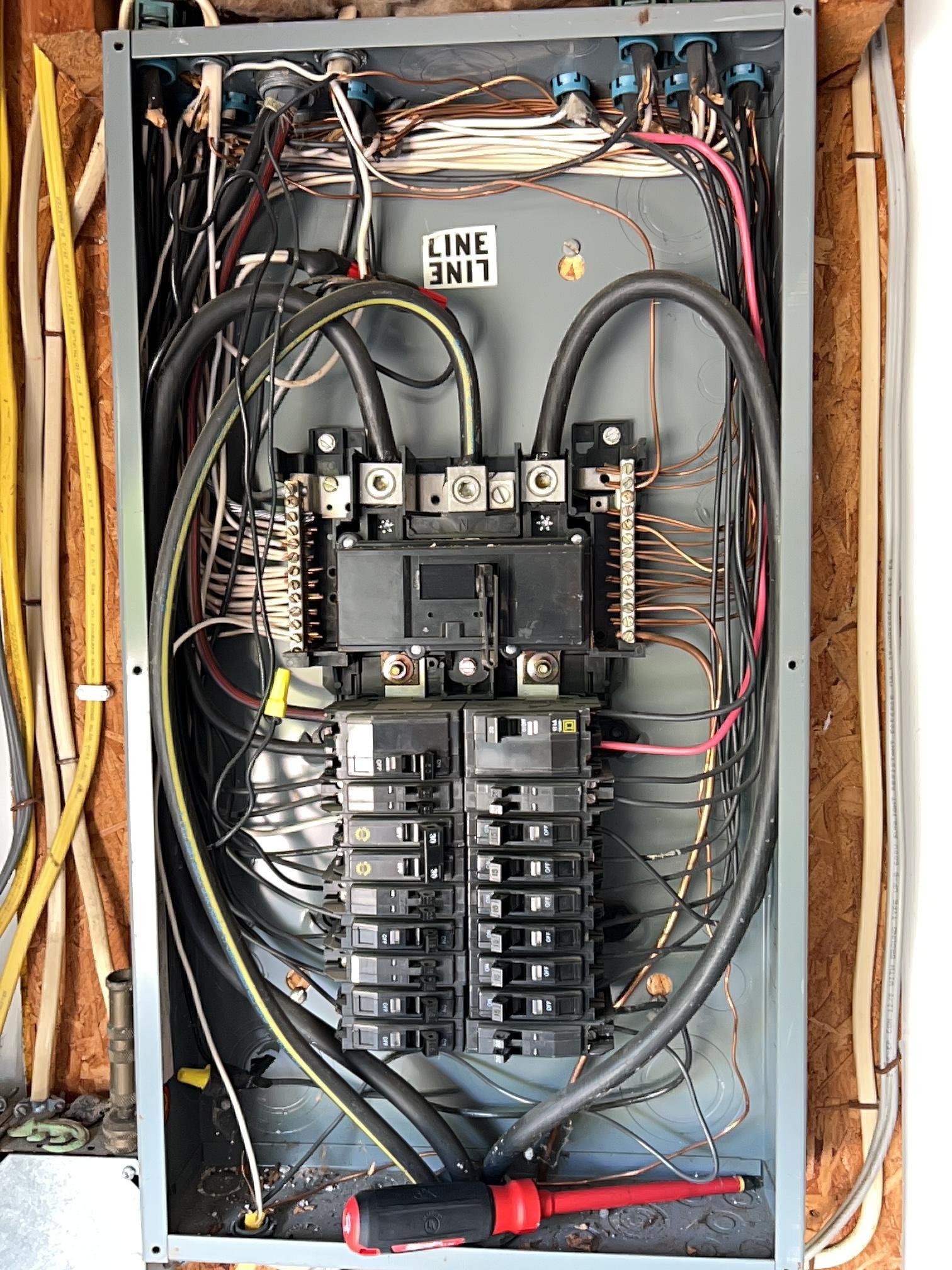

With the dryer and HVAC running to put the panel under real load, the infrared scan showed every breaker within the normal range. The panel is at or near full capacity — worth knowing before any future circuit additions — and the interior is clean, with no corrosion or overheating observed.
- No action needed — continue routine monitoring
- Note: panel is near capacity — plan ahead for any future circuit additions
Findings reflect observed conditions at the time of service.
| Item | Finding |
|---|---|
| Smoke detectors found | 3 — one per level, all sounded on test |
| Second-floor smoke detector | Past expiration date — not interconnected with the other two |
| Battery replaced | Fresh 9V installed in second-floor unit during visit |
| CO detectors found | 1 — basement only |
| CO coverage gap | No CO detector on first or second floor |
| Combustion sources present | Gas furnace, gas water heater |
| Overall result | Plan |


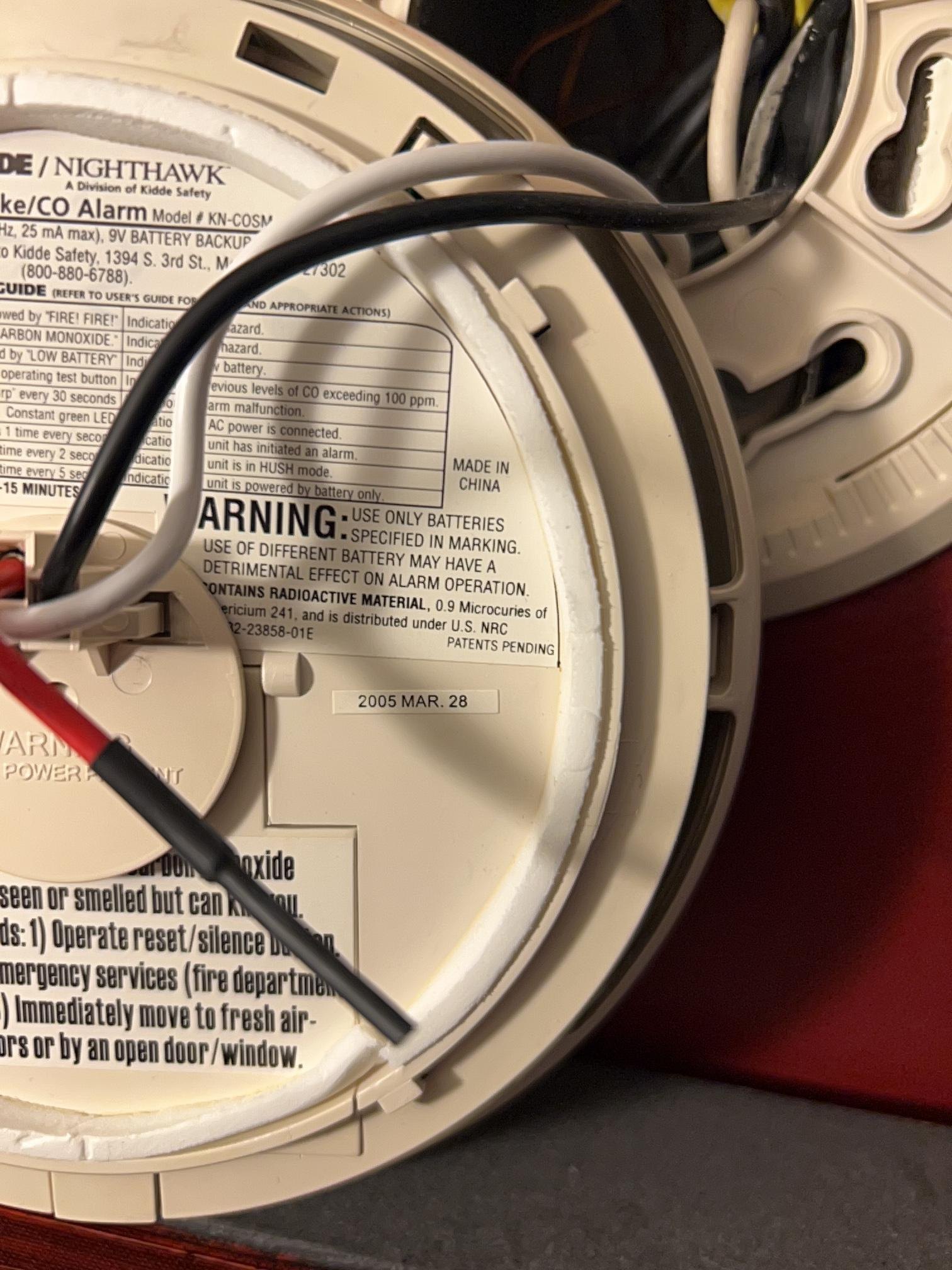
Pennsylvania guidance calls for a CO detector on every level of a home with combustion appliances; this home has one, in the basement. Adding CO detectors to the first and second floors is recommended. The second-floor smoke detector is past its expiration date and does not interconnect with the other two units, so a replacement that ties into the system is recommended as well.
- Add CO detectors on the first and second floors
- Replace the second-floor smoke detector — past expiration and not interconnected
Findings reflect observed conditions at the time of service.
| Item | Finding |
|---|---|
| Line condition after clearing | Clear — flow verified |
| Treatment applied | Distilled vinegar |
| Flow verification | Confirmed — water exited at termination |
| Cleanout access | T-fitting accessible |
| Drain line transition | 3/4″ PVC reduces to 1/4″ tubing — slight weep at transition |
| On-site repair | Seal attempted — weep persists, proper repair recommended |
| Overall result | Monitor |
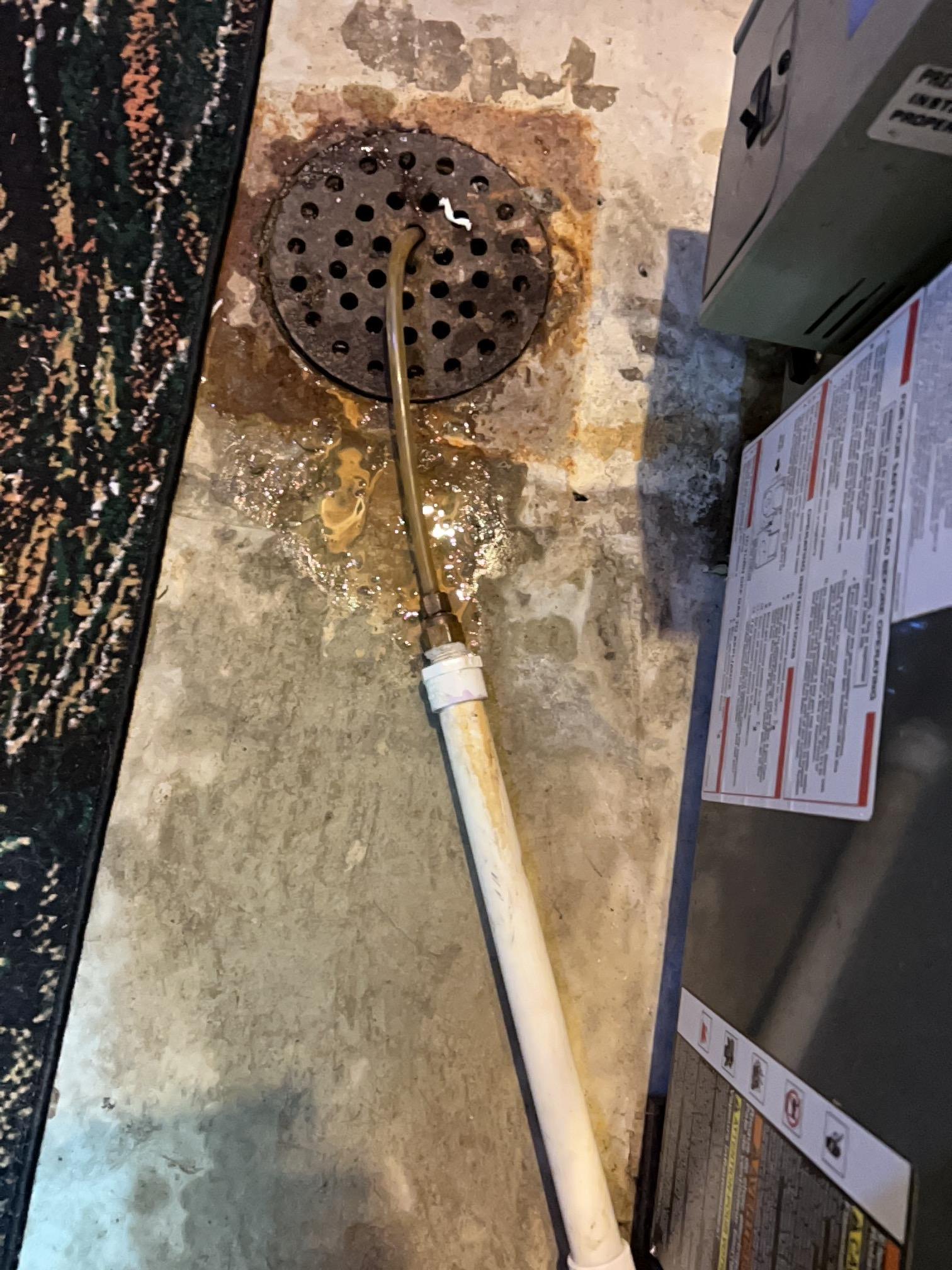
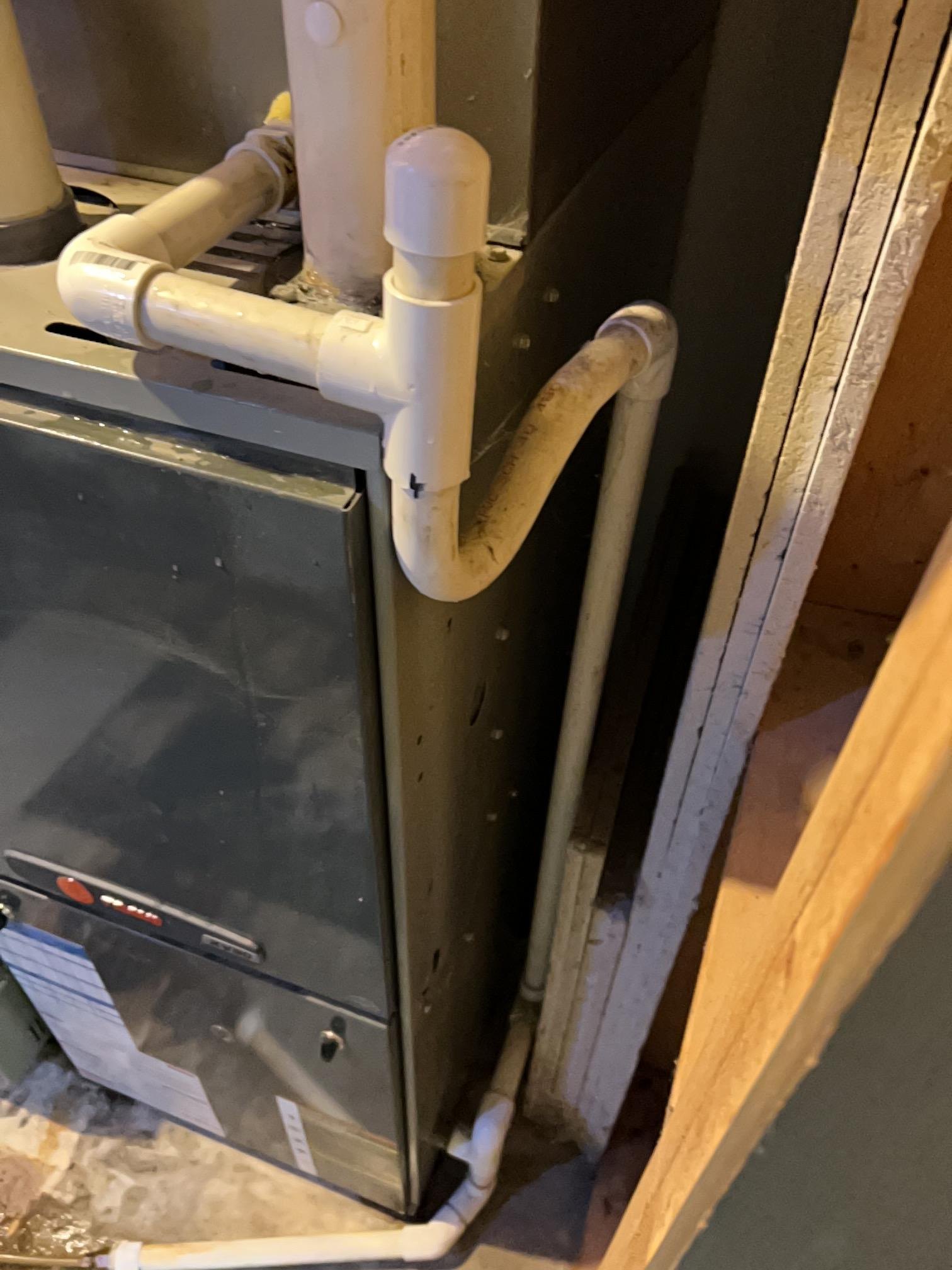
The line itself is clear and flowing. The weep at the PVC-to-tubing transition is small but persistent — the tubing section is undersized for the run and should be replaced with properly sized drain line.
- Replace the undersized drain tubing section at the transition
Findings reflect observed conditions at the time of service.
| Item | Finding |
|---|---|
| Dryer type | Electric |
| Location | Basement |
| Transition duct | Flexible foil — no damage |
| Lint at termination (before) | Moderate buildup — cleared |
| Exterior flap (after) | Opens freely |
| Duct cleaning | Full accessible length cleaned from the interior |
| Joints | All secure |
| Overall result | Maintain |

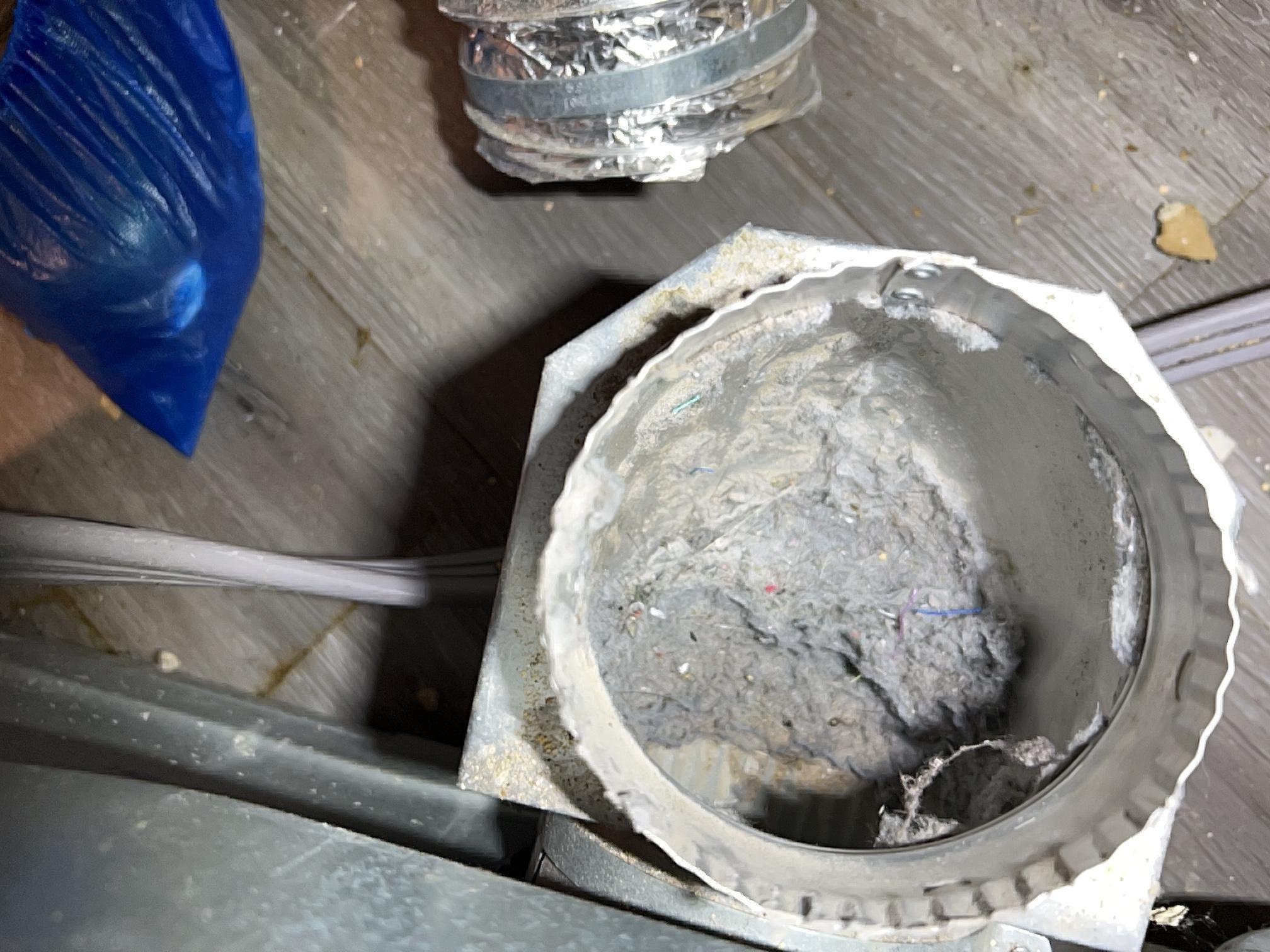
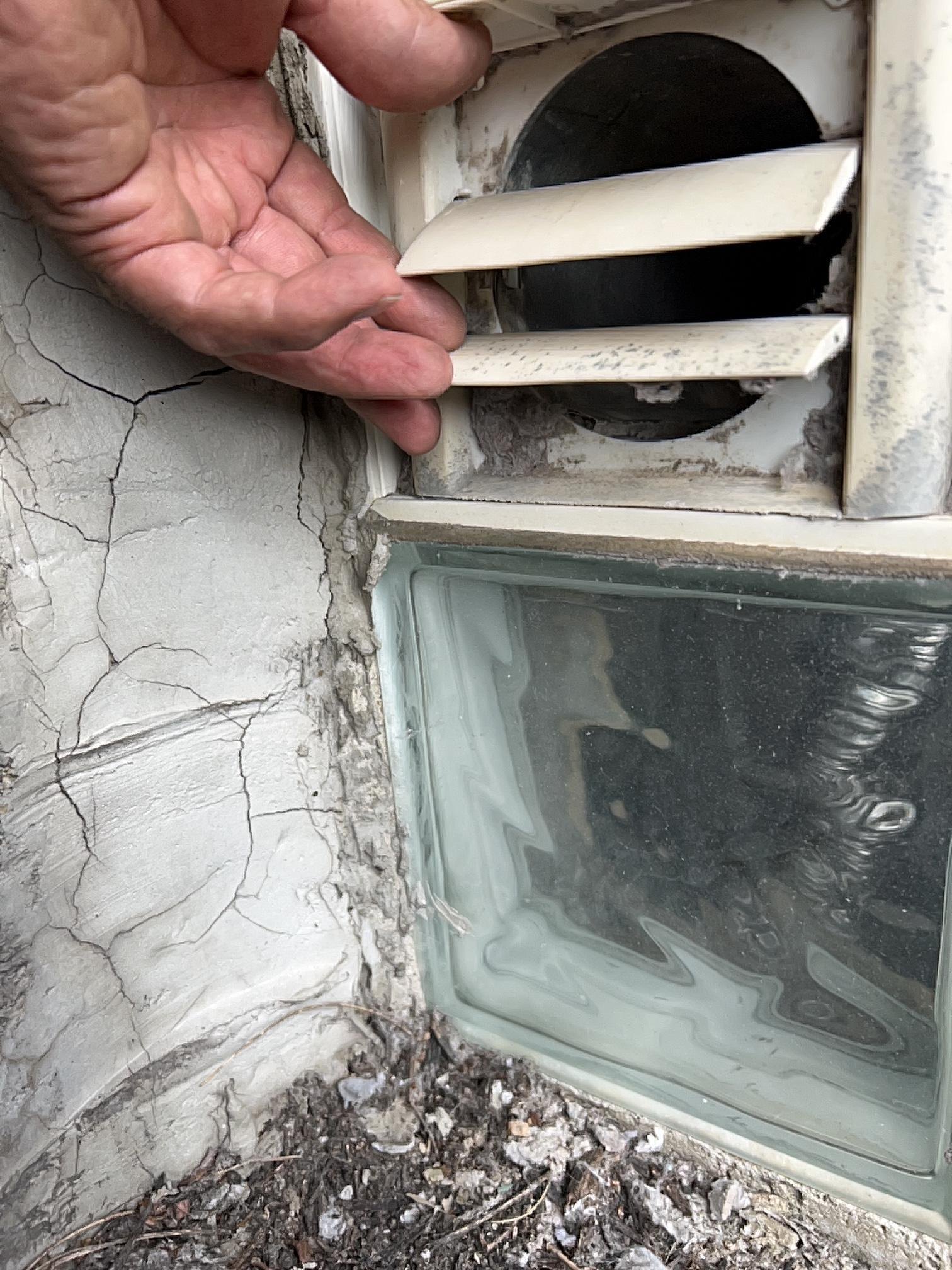

Moderate lint buildup at the exterior termination was cleared and the full duct run was brushed and vacuumed from the interior.
- Continue routine dryer vent cleaning through scheduled preventive care
- Add CO detectors on the first and second floors
- Replace the second-floor smoke detector — past expiration and not interconnected
- Schedule a licensed HVAC evaluation of refrigerant charge and airflow
- Replace the undersized condensate drain tubing at the transition
- Replace the corroded bathroom P-trap when next serviced
- Consider running a dehumidifier through the humid months
- Panel is near capacity — plan ahead for any future circuit additions
- Basement moisture readings — tracked against this visit’s baseline
- Cooling performance — re-checked at the next seasonal visit
This heating-season visit focused on the home’s interior systems: a furnace combustion diagnostic under real heating load, a full water heater flush, GFCI outlet testing, and an operational test of the sump pump ahead of the spring rains.
The furnace measured 96.2% combustion efficiency and the 2024 water heater flushed clear. Two items are worth watching: the tester flagged a wiring fault at one kitchen outlet (a licensed electrician should evaluate it), and a hose clamp inside the sump pit has a slight leak and should be replaced.
The full record for each service is below. A complete list of recommended actions is at the end of this page.
Findings reflect observed conditions at the time of service.
| Item | Finding |
|---|---|
| Make and model | Rheem Classic Series |
| Unit type | Gas tank — natural draft |
| Manufactured | August 2024 |
| Storage capacity | ~50 gallons |
| Draft hood | Intact and properly seated |
| Flue pipe | Secure — no corrosion, properly connected at all joints |
| T&P valve | Normal — no discharge residue |
| Expansion tank | None installed |
| Flush result | Full flush completed — discharge ran clear |
| Sediment | Light — fine particles only |
| Drain valve after flush | Sealed cleanly — no drip |
| Active water at base | No — base is dry |
| Overall result | Maintain |
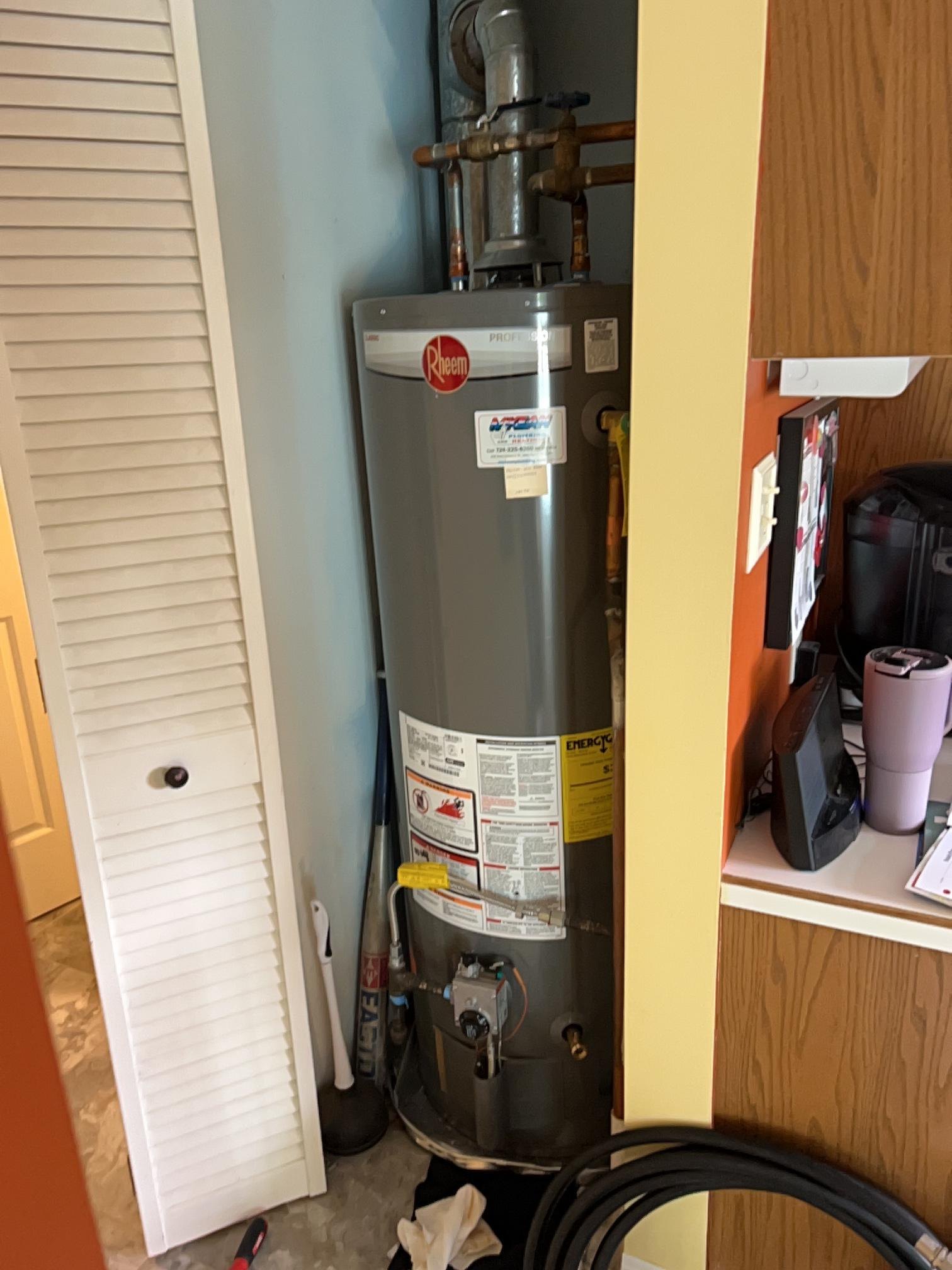


The first-bucket discharge from this 2024 unit was clear with only light, fine sediment, and every condition check passed. The tank will be flushed again at this time next year.
- Continue routine water heater flushes through scheduled preventive care
Findings reflect observed conditions at the time of service.
| Item | Finding |
|---|---|
| System type | Natural gas furnace — forced air |
| Make and model | Trane XV90 |
| Estimated age | 20+ years |
| CO (air-free) | 9 ppm |
| Oxygen (O₂) | 14% |
| Carbon dioxide (CO₂) | 4% |
| Stack temperature | 102.2 °F |
| Combustion efficiency | 96.2% |
| Supply / return air | Supply 124.5 °F / Return 71.2 °F |
| Flue and vent connections | Secure — no separation at joints |
| Overall result | Maintain |

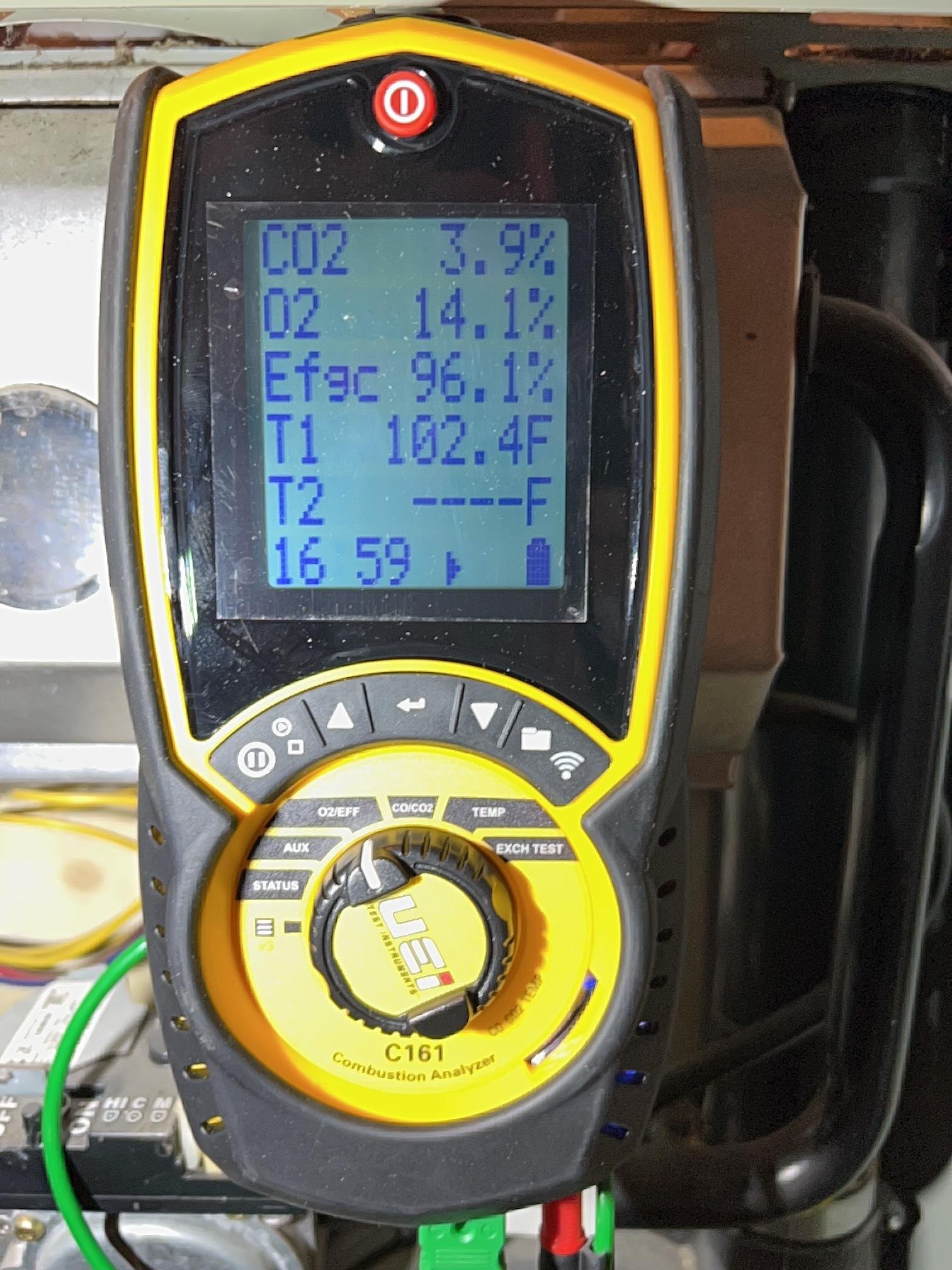

At more than twenty years old, this furnace measured 96.2% combustion efficiency with flue and safety checks in range. The same diagnostic will be run each heating season and compared against these numbers.
- Continue routine heating maintenance through scheduled preventive care
Findings reflect observed conditions at the time of service.
| Item | Finding |
|---|---|
| GFCI outlets tested | 6 — all tripped and reset correctly |
| Kitchen outlet | Wiring fault flagged — open ground or reversed polarity |
| Bathroom, garage, exterior outlets | All tested — all passed |
| Basement and laundry | No GFCI present — standard outlets only |
| Exterior covers | Intact and closing properly |
| Overall result | Monitor |
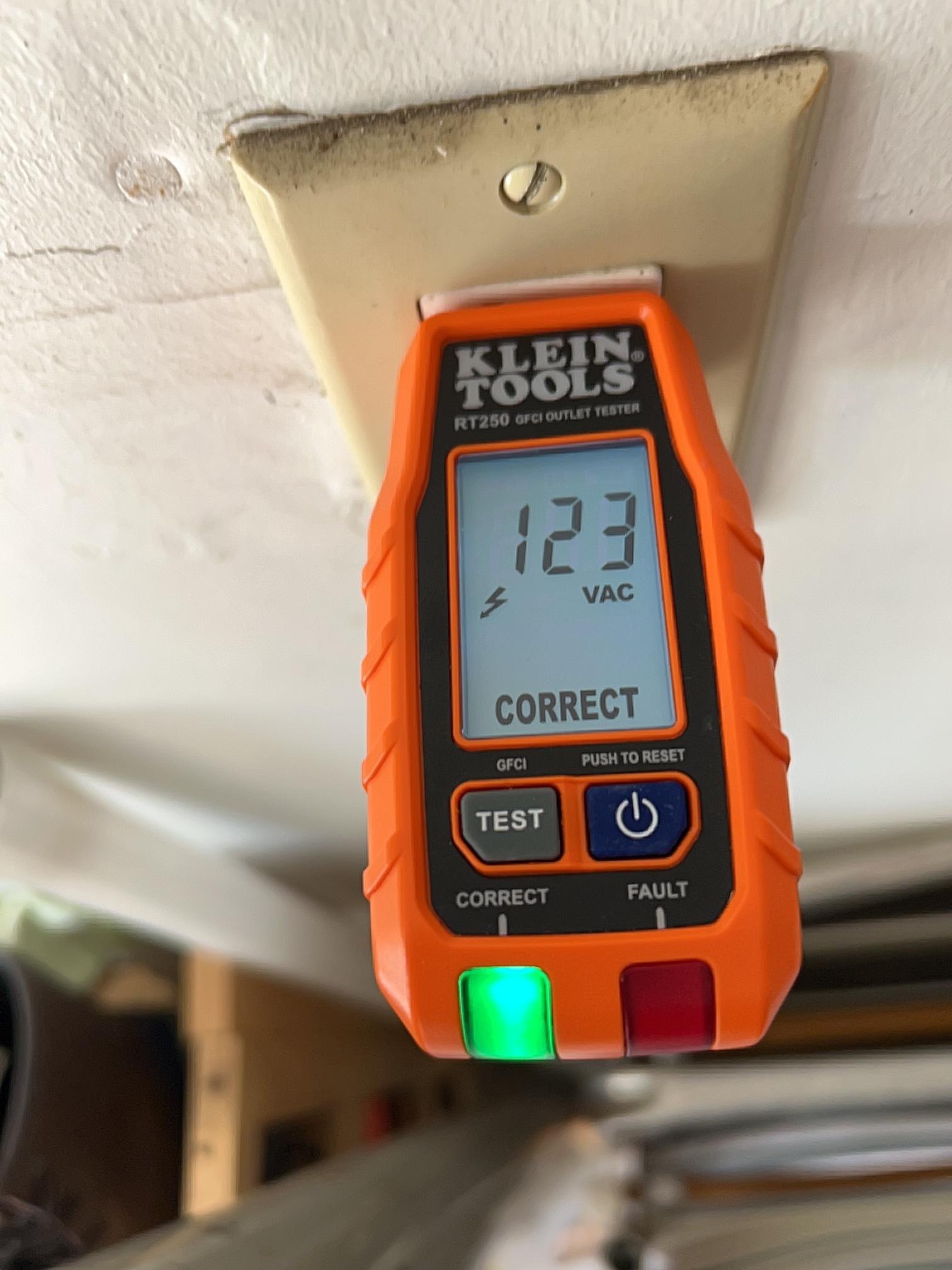
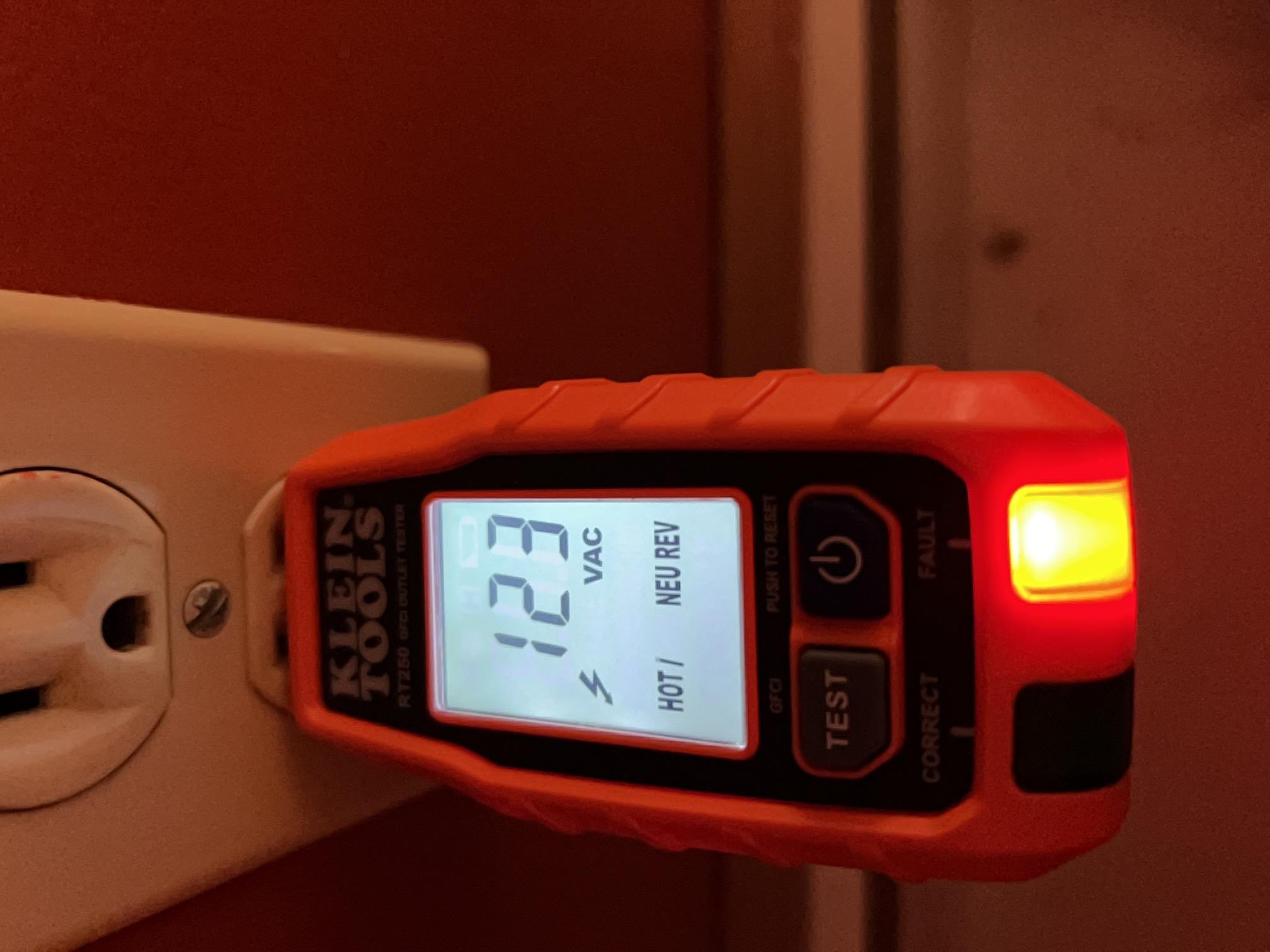
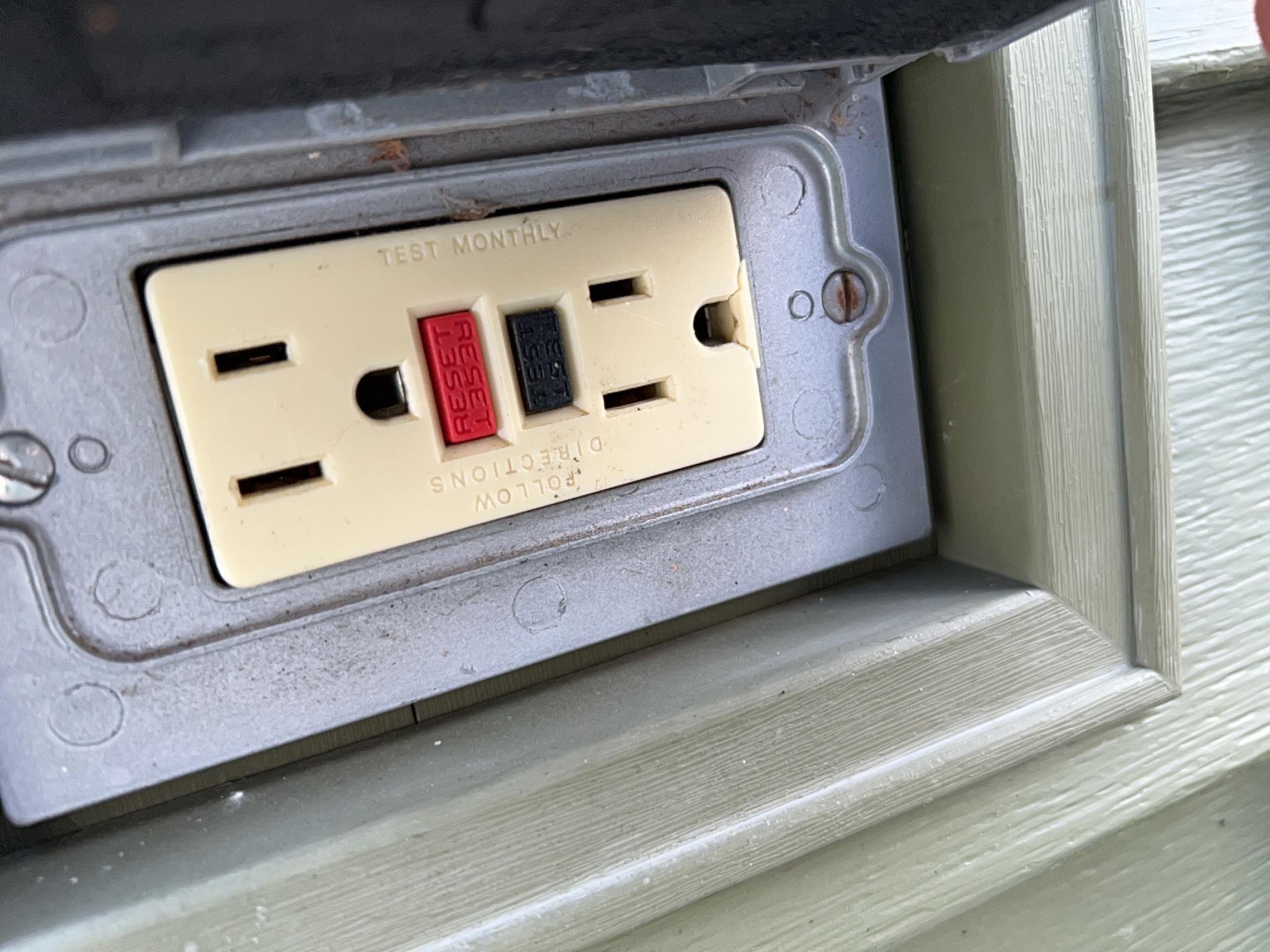
The GFCI devices themselves all worked. The tester flagged a wiring fault at one kitchen outlet — open ground or reversed polarity — which a licensed electrician should evaluate. The basement and laundry areas have standard outlets in locations where GFCI protection is now recommended.
- Have a licensed electrician evaluate the kitchen outlet wiring fault
- Consider adding GFCI protection at basement and laundry outlets
Findings reflect observed conditions at the time of service.
| Item | Finding |
|---|---|
| Estimated age | ~20 years |
| Switch type | Internal — no external float device |
| Pit condition | Moderate sediment — cleaned before leaving |
| Pump activation | Prompt — strong consistent flow, water level dropped |
| Motor sound | Normal — smooth consistent hum throughout |
| Check valve | No backflow — functioning correctly |
| Discharge pipe | Intact — no leaks, disconnections, or visible damage |
| Hose clamp at Fernco fitting | Slight leak — replacement recommended |
| Battery backup | None present |
| Basement finish (flood-risk context) | Finished living space |
| Overall result | Monitor |

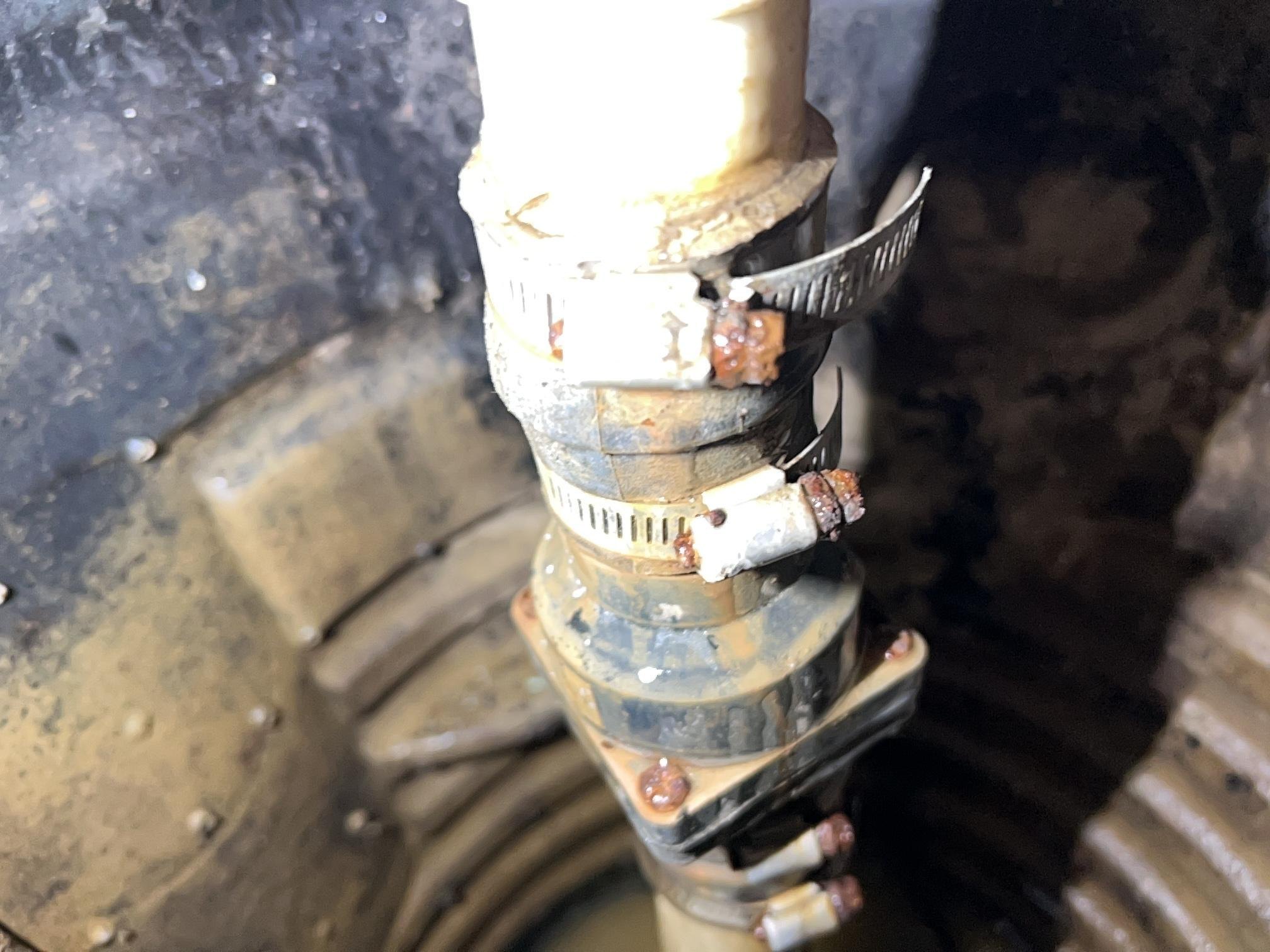

The pump activated promptly and shut off cleanly. The top hose clamp at the Fernco fitting inside the pit showed a slight leak and should be replaced. Given the finished basement, the pump’s estimated 20-year age, and the absence of a battery backup, this system is worth watching over the coming visits.
- Replace the hose clamp at the Fernco fitting inside the sump pit
- Monitor pump age and performance at future visits — no battery backup present
- Have a licensed electrician evaluate the kitchen outlet wiring fault
- Replace the hose clamp at the Fernco fitting inside the sump pit
- Consider adding GFCI protection at basement and laundry outlets
- Sump pump age and performance — an estimated 20 years old, no battery backup
This first visit of the care program worked the outside of the home ahead of winter: drainage reviewed on all four sides, gutters cleared of the season’s leaves, the condenser coils cleaned at the end of the cooling season, and exterior penetrations inspected and sealed.
Grading is positive on every side of the house. The condenser coils carried a heavy load of cottonwood and vegetation, now cleared, and two minor sealant repairs were completed on-site during the inspection — no follow-up needed.
The full record for each service is below. A complete list of recommended actions is at the end of this page.
Findings reflect observed conditions at the time of service.
| Item | Finding |
|---|---|
| Grading — all four sides | Positive — slopes away from foundation |
| Standing water or pooling | None observed |
| Erosion | Minor channels at the front |
| Walkway gaps channeling water | Minor gaps — left side and rear |
| Retaining wall (rear) | Present — no visible issues |
| Foundation walls | No visible cracks beyond hairline |
| Efflorescence / water staining | None observed |
| Overall result | Maintain |
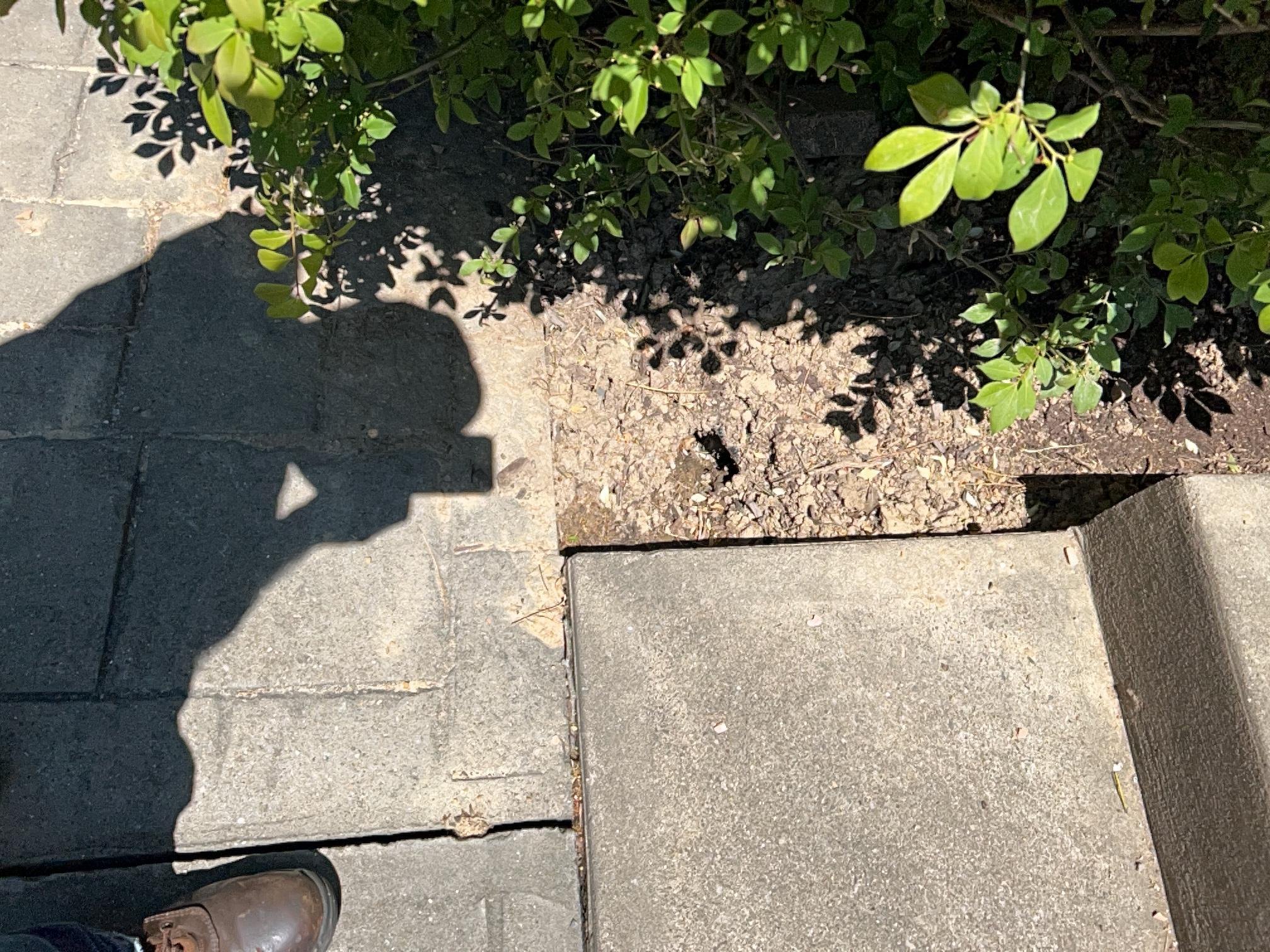
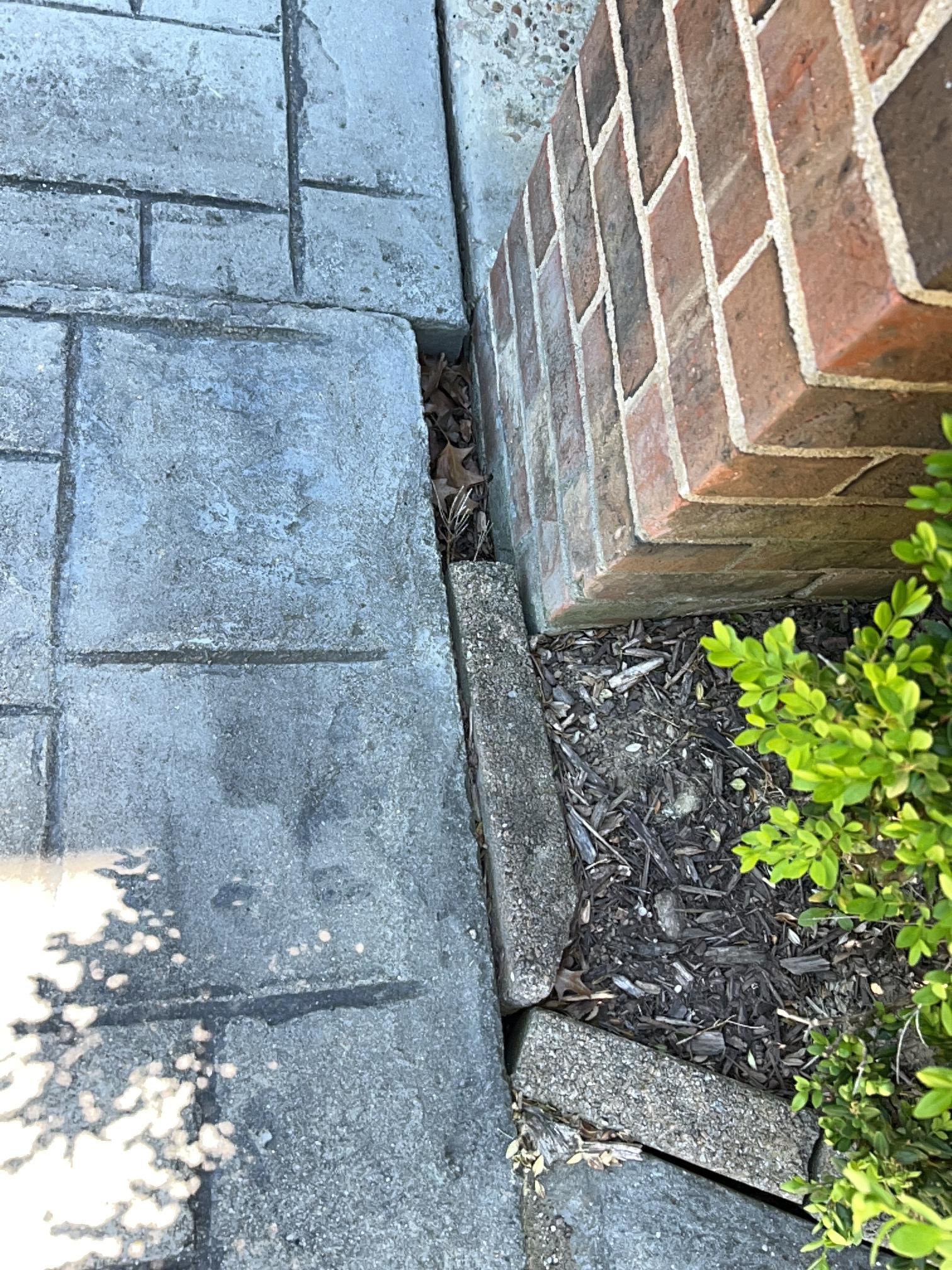
Water is moving the right direction on every side of this home. The minor erosion channels and walkway gaps are common and worth watching rather than urgent — they will be re-checked at each visit.
- Monitor the minor erosion channels and walkway gaps at future visits
Findings reflect observed conditions at the time of service.
| Item | Finding |
|---|---|
| Debris | Light debris present — cleared |
| Gutter guards | None installed |
| Downspouts | Discharging properly |
| Overall result | Maintain |
No photos for this service.
Only light debris was present, now cleared. No gutter guards are installed, so routine clearing remains part of scheduled care.
- Continue routine gutter clearing through scheduled preventive care
Findings reflect observed conditions at the time of service.
| Item | Finding |
|---|---|
| Debris load before cleaning | Heavy — cottonwood and dense vegetation |
| Buildup | Significant — outer coil and between fins |
| Coil cleaner applied | Yes — non-acid cleaner |
| Fins | Straightened where needed — intact |
| Coil condition after cleaning | Clean — fins clear, no remaining buildup |
| Overall result | Maintain |


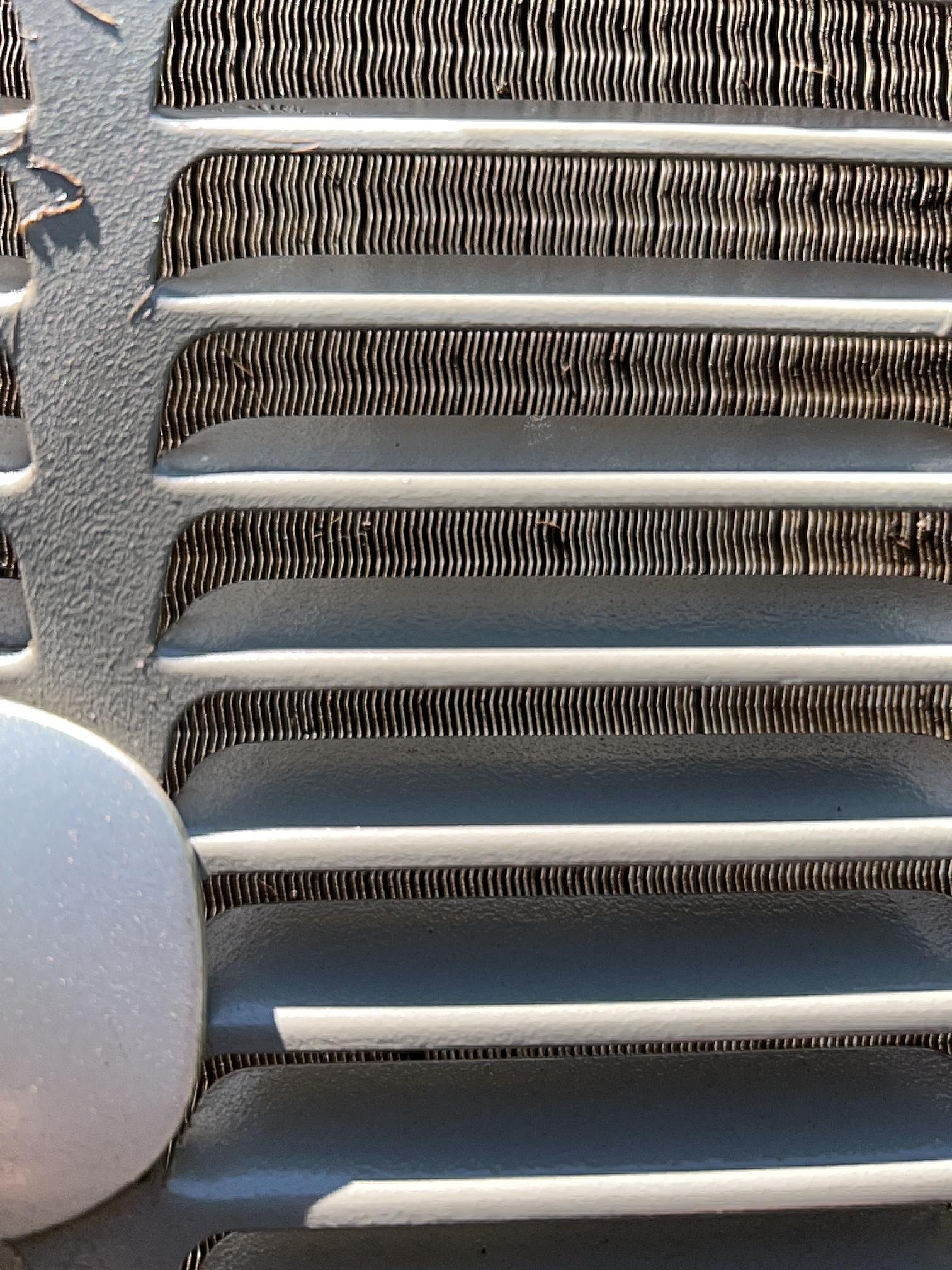

Heavy cottonwood buildup was cleared from the coils and airflow is restored. With mature trees nearby, this cleaning will be repeated each cooling season.
- Continue seasonal coil cleaning through scheduled preventive care
- Keep vegetation trimmed at least 2 ft around the unit
Findings reflect observed conditions at the time of service.
| Item | Finding |
|---|---|
| Front and right side | All clear — no issues found |
| Back of home | Minor sealant repair completed on-site |
| Left side | Minor sealant repair completed on-site — cable entry resealed |
| Overall result | Maintain |
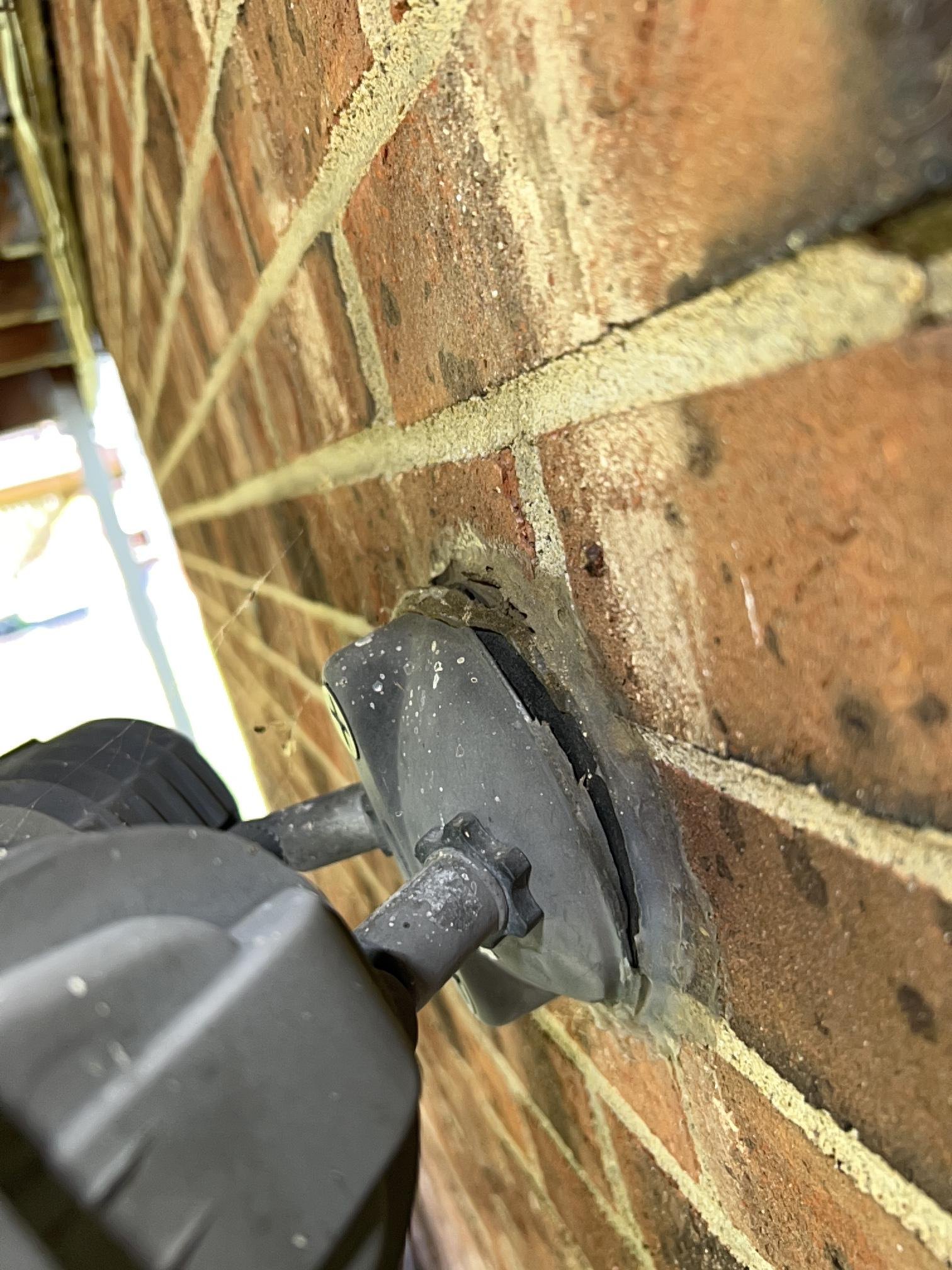
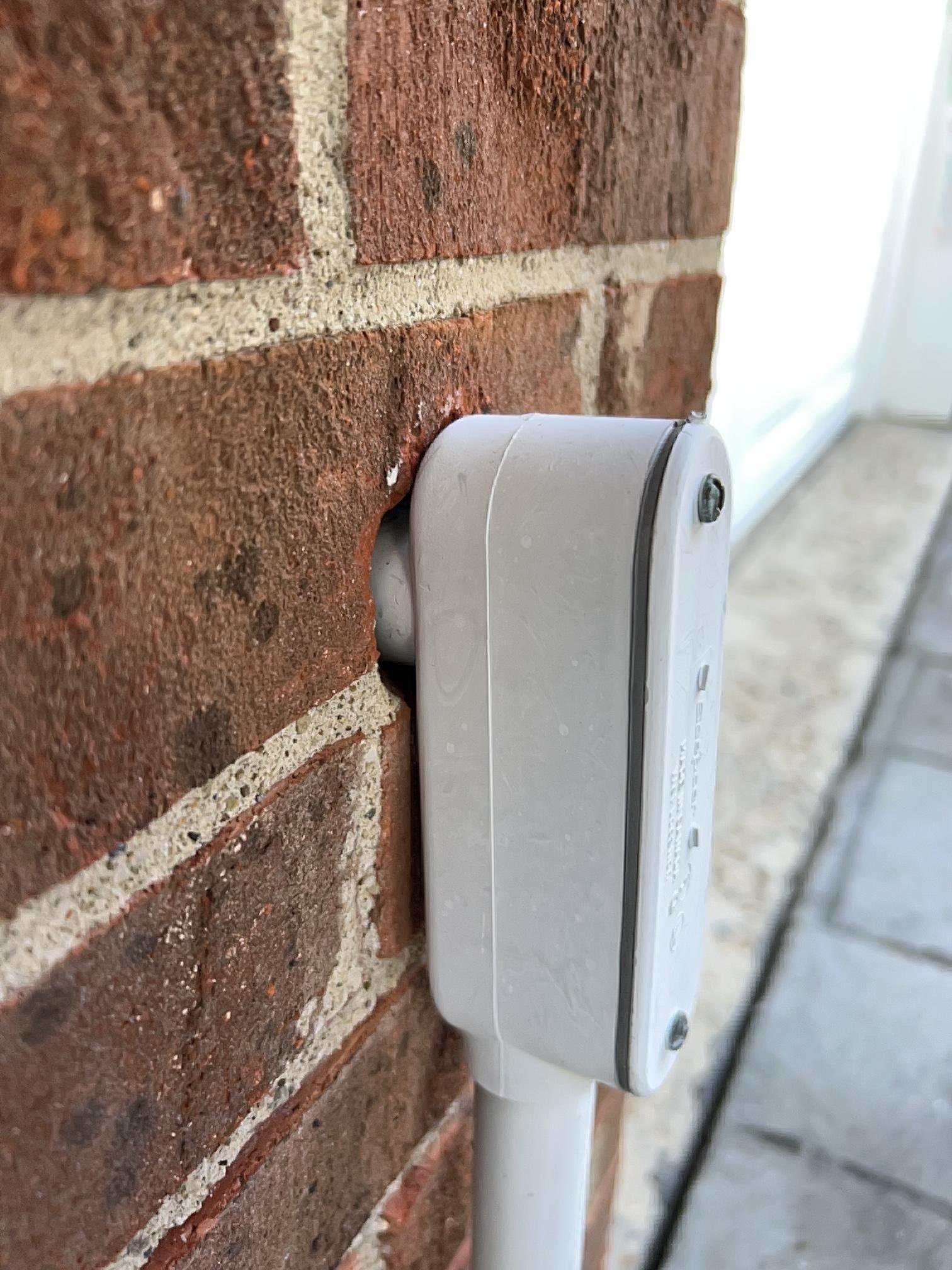
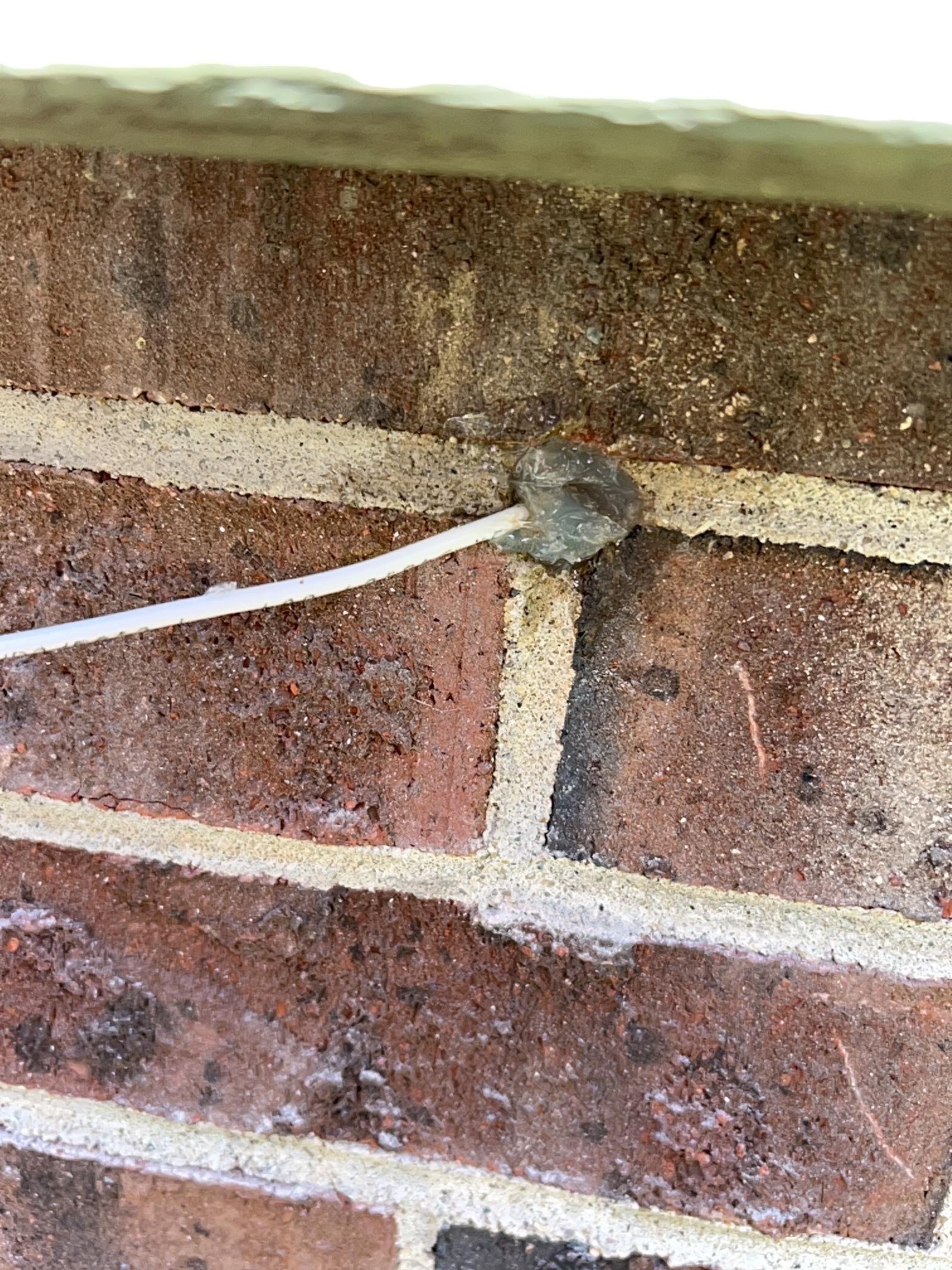
Two minor repairs were completed during the visit at no additional charge; every side will be re-checked annually.
- No further action needed — repaired on-site
Nothing needs your attention right now.
- Keep vegetation trimmed at least 2 ft around the condenser
- Minor erosion channels at the front and walkway gaps — re-checked at each visit
Every Homelio home gets a record like this.
Visits on a schedule. A record that builds year over year. A home that’s understood — before anything becomes urgent.
You’re looking at a sample Home Record
The Miller family is fictional. The findings are not — everything in this record comes from real Homelio visits to real homes in the Pittsburgh area. Names, the address, and identifying details have been changed to protect our members’ privacy.
Explore it the way a Homelio member would: the systems ledger shows every system at a glance, and each visit shows exactly what was done, what was found, and what it means.